El único máster en PNI clínica que cuenta con comité científico internacional propio

El único máster en PNI clínica que cuenta con comité científico internacional propio

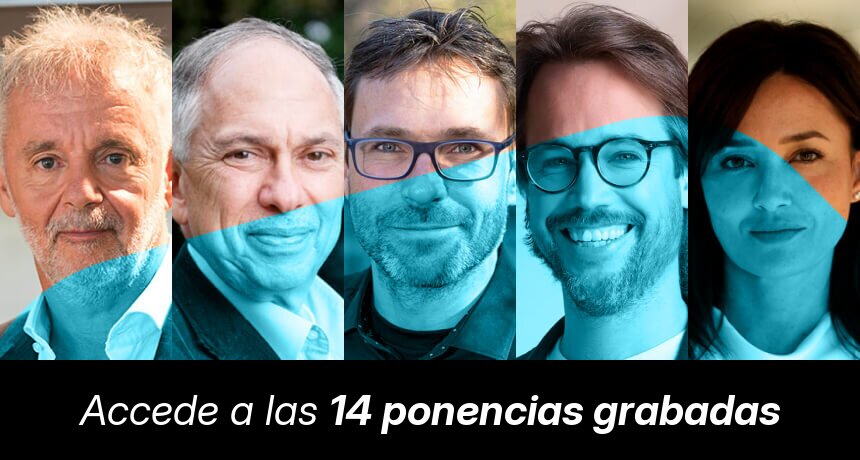
El Máster en Psiconeuroinmunología clínica es el único que cuenta con el respaldo y la supervisión directa de un comité científico internacional propio. Este órgano está integrado por profesionales de reconocido prestigio en los ámbitos de la medicina, la investigación biomédica, la neurociencia, la inmunología y las ciencias de la salud.

Un máster diseñado y ejecutado por los mejores

Comité científico internacional

Una disciplina basada en la evidencia

La PNIc está avalada por investigaciones científicas

La Psiconeuroinmunología clínica no es solo una metodología de trabajo, es una disciplina científica consolidada bajo el marco de la PNI Research Society. Esta sociedad internacional une a investigadores de élite de diversas áreas médicas, y cuenta con su propia referencia editorial: la revista PNIRS Journal. Con un factor de impacto 6.170, esta publicación valida estudios básicos y clínicos que demuestran las complejas interacciones conductuales, neuronales, endocrinas y el sistema inmunitario.

Este respaldo científico es el que ha permitido que instituciones de prestigio mundial, como las universidades de Ohio State, California (UCLA) y Rochester en Nueva York, mantengan programas de investigación altamente consolidados en esta materia.

Nuestro compromiso con la excelencia no es teórico; se demuestra con datos. En la actualidad, contamos con 27 publicaciones en revistas científicas indexadas, lo que sitúa nuestra labor investigadora a la vanguardia del sector.

Este esfuerzo por la rigurosidad se marca con un hito histórico para la disciplina en nuestro país: la concesión de la primera Cátedra universitaria en Psiconeuroinmunología clínica (cPNI) de España. Desarrollada y compartida junto a la Universidad de Granada, esta cátedra eleva la PNIc a un nuevo nivel académico y docente. No sólo consolida su presencia en la universidad, sino que acelera la búsqueda de nuevas soluciones sanitarias basadas en la investigación más avanzada.

Marzo 2026

The effectiveness of manual therapy in people with chronic non-specific low back pain: an umbrella review with meta-analysis

Chronic nonspecific low back pain (CNLBP) is a widely recognized condition worldwide. Its clinical management must be based on the best current evidence to achieve optimal outcomes, yet there is still a lack of consensus on its clinical approach. Objective: To evaluate the effectiveness of manual therapy (MT) on pain intensity, frequency, disability, and quality of life in adults with chronic nonspecific low back pain (CNLBP)

Noviembre 2025

The effectiveness of pain neuroscience education in people with chronic non-specific low back pain: An umbrella review with meta-analysis. Annals of Physical and Rehabilitation Medicine, 68(8), 102020.

A multidisciplinary approach, including PNE, is recommended. Further research using standardized tools and diverse populations is needed to enhance the efficacy and generalizability of PNE interventions.

Octubre 2025

Metabolic reprogramming in diabetes and other endocrine and metabolic disorders: exploring the Warburg effect, ketones, and SGLT2 inhibitors

Through a comprehensive analysis of existing literature, we aim to shed light on the mechanisms underlying these interventions and their potential impact on disease progression and patient outcomes.

Mayo 2025

Infuence of the metabolic and infammatory profle in patients with frozen shoulder – systematic review and meta‑analysis

This meta-analysis highlights the role of metabolic dysfunction and chronic inflammation in the pathogenesis of FS. HbA1c and cholesterol were the most associated metabolic biomarkers, while IL-1β and TNF-α showed a strong link to inflammation and fibrosis.

Marzo 2025

Does Leptin and Insulin Levels Influence Pain and Disability in Subjects With Frozen Shoulder? A Cross‐Sectional Study

This review explores the multifaceted role of the Warburg effect in type 2 diabetes and other metabolic and endocrine chronic disorders and examines the therapeutic potential of different interventions such as intermittent fasting, ketogenic diets, ketone supplements, and sodium/glucose co-transporter 2 inhibitors.

Enero 2025

Psychoneuroimmunology in the Daily Clinic is Only Possible Within a Contextual Frame

Stress is no stress when adaptive strategies or decision making eliminates their impact at time. Stress becomes distress, and therefore chronic irritation, when the challenging factor is long lasting and immunogenic. In this way it is the text choosing the disease (genetic and epigenetic susceptibility) and the context producing the conflict.

Ago 2023

Effectiveness of Treatments That Alter Metabolomics in Cancer Patients—A Systematic Review

This review is the first study that has identified the metabolomic changes in different types of cancer and the use of metabolomic-based interventions in those patients.

Abril 2023

Mitochondria: It is all about energy

Mitochondria play a key role in both health and disease. Their function is not limited to energy production but serves multiple mechanisms varying from iron and calcium homeostasis to the production of hormones and neurotransmitters, such as melatonin.

Oct 2021

Beyond Diagnoses and Total Symptom Scores: Diversifying the Level of Analysis in Psychoneuroimmunology Research

Psychoneuroimmunology is a rapidly advancing field that investigates immunological processes (at numerous levels of measurement) as risk factors, mechanisms, and sequelae of psychological phenomena.

Sep 2021

Psychoneuroimmunology Meets Neuropsychopharmacology: Translational Implications of the Impact of Inflammation on Behavior

The potential contribution of chronic inflammation to the development of neuropsychiatric disorders such as major depression has received increasing attention.

Ago 2019

Stress, depression, diet, and the gut microbiota: human–bacteria interactions at the core of psychoneuroimmunology and nutrition

Humans and their gut bacteria have evolved multiple ways to communicate with and regulate one another. Psychological stress and depression can promote consumption of highly palatable foods, influencing which gut bacteria thrive.

Feb 2017

A systematic review of psychoneuroimmunology-based interventions

Psychoneuroimmunology-based interventions are used to attenuated disease progression and/or side effects of pharmacological treatment.

Jul 2016

Why Sleep Is Important for Health: A Psychoneuroimmunology Perspective

Sleep has a critical role in promoting health. Research over the past decade has documented that sleep disturbance has a powerful influence on the risk of infectious disease, the occurrence and progression of several major medical illnesses including cardiovascular disease and cancer, and the incidence of depression.

May 2010

Stress, Food, and Inflammation: Psychoneuroimmunology and Nutrition at the Cutting Edge

Inflammation is the common link among the leading causes of death. Mechanistic studies have shown how various dietary components can modulate key pathways to inflammation including sympathetic activity.

Ene 2010

The psychoneuroimmunology of chronic disease: Exploring the links between inflammation, stress, and illness.

Why are depressed people more likely to suffer heart attacks? Why do people with hostile worldviews have higher rates of metabolic syndrome and Type 2 diabetes?

Feb 2009

Mechanisms of cytokine-induced behavioral changes: Psychoneuroimmunology at the translational interface

Work in our laboratory has focused on the mechanisms by which cytokines can influence the brain and behavior in humans and non-human primates.

Excelencia científica

Contenidos alineados con la vanguardia internacional

Los miembros de nuestro comité científico participan activamente en la supervisión, orientación y validación de todos los contenidos del programa académico. Su contribución asegura que la formación impartida en PNI España esté estrictamente alineada con los avances más relevantes de la literatura científica internacional.

De este modo, garantizamos al alumno un aprendizaje basado en la evidencia y en los descubrimientos más recientes del campo de la salud.

Fórmate con los mejores
Un entorno global de aprendizaje

Intercambio de conocimiento sin fronteras

La presencia de este comité refuerza el carácter internacional de nuestro máster, promoviendo un intercambio fluido de conocimiento entre distintos contextos clínicos y académicos de todo el mundo.

Esta estructura sitúa a nuestro programa en un entorno global de excelencia, permitiendo que el alumno se forme bajo estándares internacionales y conecte con una red de expertos que lideran la investigación biomédica actual.
Inscríbete al Máster
Da un impulso a tu carrera

¿Te gustaría formarte en el único máster de Psiconeuroinmunología clínica que cuenta con comité científico internacional propio? Solicita más información ahora, ¡las plazas son limitadas!